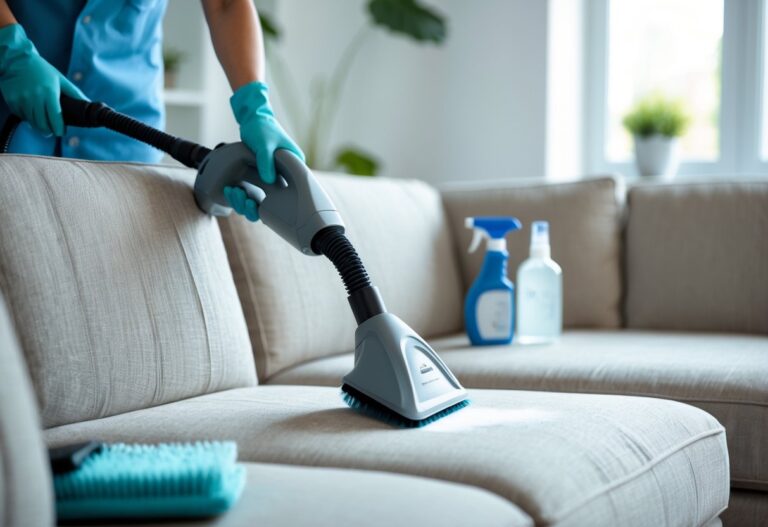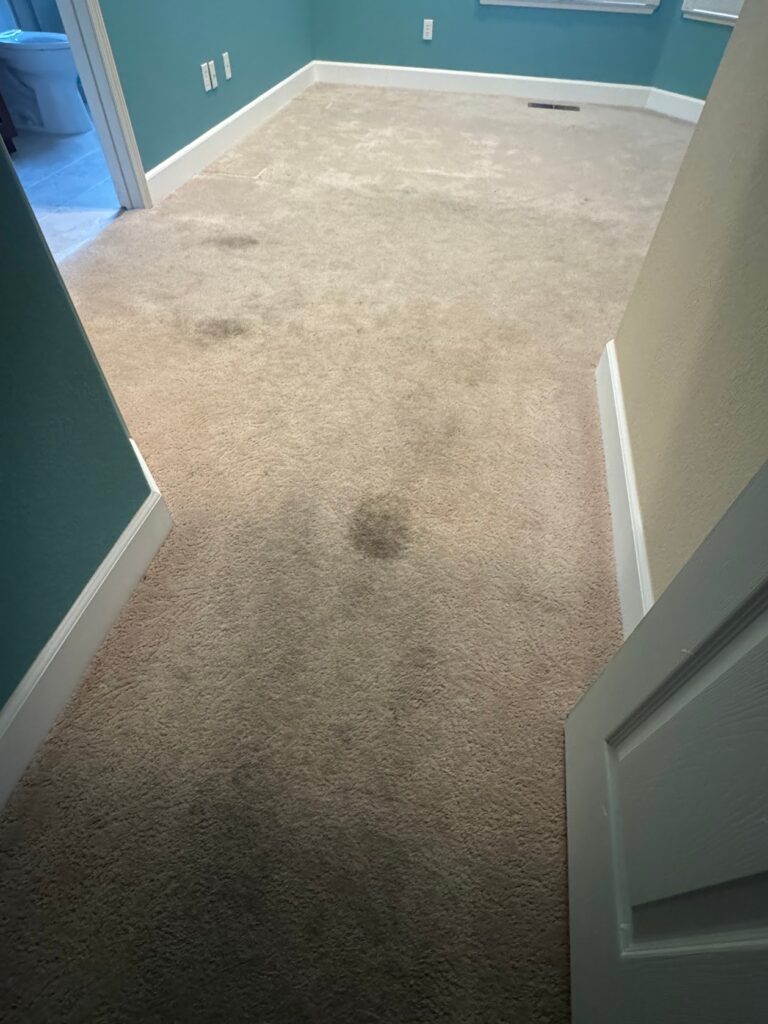
Furniture upholstery can collect dirt, dust, spills, pet hair, body oils, and other debris through everyday use. Over time, these contaminants can make sofas, chairs, couches, and other upholstered furniture look dull, stained, or less inviting. This is why many homeowners look for professional upholstery cleaning when regular vacuuming is no longer enough to restore the appearance of their furniture. At Stay Dry Go Green, our goal is to help homeowners maintain cleaner, fresher, and more comfortable upholstered furniture with proper cleaning methods.
Upholstery can become dirty for several reasons, including daily use, accidental spills, pets, food, dust, and moisture. Simply wiping the surface may not remove dirt that has become embedded in the fabric. Professional upholstery cleaning focuses on treating the affected areas and using suitable cleaning methods based on the fabric, condition, and type of buildup.
What Causes Dirt And Stains On Upholstered Furniture?
Upholstered furniture can develop dirt and stains from several common sources, including:
- Food And Drink Spills: Accidental spills can leave visible stains and unpleasant odors.
- Pet Activity: Pets can transfer dirt, hair, oils, and other debris onto upholstery.
- Body Oils: Regular contact with furniture can cause oils and residue to build up on fabric.
- Dust And Dirt: Everyday dust can settle into upholstery and make the material look dull.
- Moisture: Excess moisture can contribute to odors and other upholstery problems when not properly dried.
How Does The Upholstery Cleaning Process Work?
Professional upholstery cleaning generally begins with inspecting the furniture to identify the fabric type, stains, and areas requiring attention. Depending on the condition of the furniture, the process may include:
- Inspect The Upholstery: Check the fabric, seams, cushions, stains, and overall condition of the furniture.
- Identify The Stains: Determine whether the buildup is caused by food, drinks, pets, oils, dirt, or other contaminants.
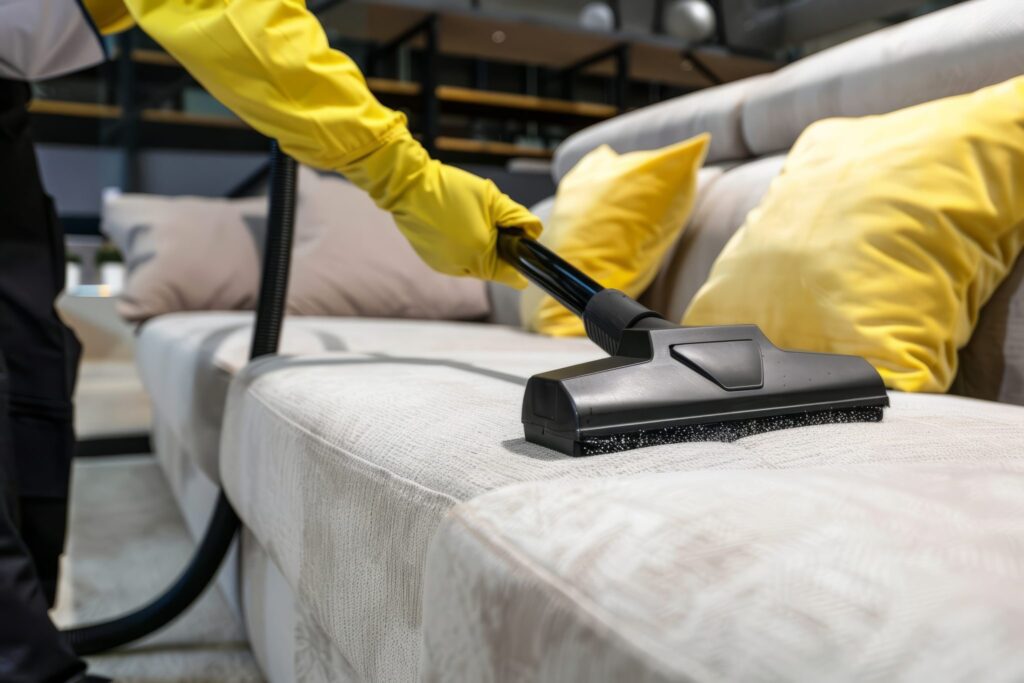
- Vacuum The Surface: Remove loose dust, dirt, pet hair, and debris before deeper cleaning.
- Pre-Treat Stained Areas: Apply appropriate cleaning solutions to help loosen dirt and stains.
- Clean The Upholstery: Use a suitable cleaning method to remove embedded dirt and buildup without unnecessarily damaging the fabric.
- Extract Excess Moisture: Remove remaining cleaning solution and moisture where the cleaning method requires extraction.
- Dry The Furniture: Allow the upholstery to dry properly before regular use.
- Check The Results: Reassess the furniture to determine whether additional spot treatment or cleaning is needed.
The exact process depends on the upholstery material, manufacturer recommendations, stain type, and overall condition of the furniture. Some delicate fabrics may require specialized cleaning methods rather than standard water-based cleaning.
Why Do Upholstery Stains Keep Coming Back?
Upholstery stains may return when the original spill or contaminant has not been completely removed. Deeply embedded dirt can remain beneath the visible surface, while improper cleaning products may leave residue that attracts more dirt. Spills that penetrate into cushions can also continue affecting the fabric after the surface appears clean. In some cases, excessive moisture or incorrect cleaning techniques can make the problem worse. These issues are why effective upholstery cleaning should focus on properly treating the stain and cleaning the affected material rather than simply wiping the visible surface.
Which Areas Of Furniture Can Hold Dirt And Stains?
Dirt and stains are not always limited to the most visible areas because everyday use can transfer contaminants throughout upholstered furniture. Common areas that may require attention include seat cushions, where body oils and spills can accumulate; armrests, which receive frequent contact; back cushions, where dust and oils can build up; fabric seams, where dirt can become trapped; and lower upholstery areas, where dust and pet hair may collect. Cushions and other removable fabric components should also be checked because spills can sometimes penetrate deeper into the material.
How Much Does Upholstery Cleaning Cost?
The cost of professional upholstery cleaning can vary depending on the furniture type, size, fabric, number of pieces, and condition of the upholstery. In 2026, upholstery cleaning in California can average around $184 per piece, with typical costs varying based on the furniture and cleaning requirements.
| Furniture Type | Typical Cost Range | Common Cleaning Needs |
| Sofa | $140–$455 | Full upholstery cleaning and stain treatment |
| Sectional | $230–$570 | Larger-area cleaning and stain treatment |
| Loveseat | $95–$230 | Full fabric cleaning |
| Armchair | $70–$140 | Upholstery cleaning and spot treatment |
| Recliner | $95–$175 | Full upholstery cleaning |
| Dining Chair | $15–$35 | Surface and spot cleaning |
| Ottoman | $35–$75 | Fabric cleaning and stain treatment |
| Mattress | $70–$175 | Deep cleaning and odor treatment |
Note: The final upholstery cleaning cost can vary depending on furniture size, fabric type, stain severity, accessibility, and cleaning method required. Delicate materials or heavily soiled upholstery may require additional treatment.
Factors Impacting Upholstery Cleaning Cost
The final cost of upholstery cleaning can vary depending on several factors. The type of furniture, fabric condition, number of stains, and cleaning method required can all affect the final price. Common factors include:
- Furniture Size: Larger sofas and sectionals generally require more time and cleaning materials.
- Fabric Type: Different upholstery materials may require different cleaning methods and products.
- Stain Severity: Fresh and light stains may require less treatment than old or deeply embedded stains.
- Number Of Pieces: Cleaning multiple chairs, sofas, or other furniture pieces increases the overall project size.
- Furniture Condition: Heavily soiled or neglected upholstery may require additional cleaning.
- Cleaning Method: Specialized cleaning methods may cost more depending on the material and condition.
- Drying Requirements: Furniture requiring additional drying time or moisture extraction may require more work.
Understanding these factors can help homeowners know why upholstery cleaning prices vary from one furniture piece to another and what may influence the final bill.
How Can You Prevent Upholstery From Getting Dirty Again?
Preventing recurring dirt and stains starts with regular care and quick action when spills occur. Vacuum upholstered furniture regularly to remove loose dust and debris, clean spills as soon as possible, and follow the manufacturer’s care instructions for the specific fabric. Keeping pets clean and using suitable furniture covers in high-use areas can also help reduce the amount of dirt transferred to upholstery.
If stains continue appearing or the furniture has accumulated significant dirt, professional cleaning may be helpful. Addressing spills and buildup early can make it easier to maintain a cleaner and fresher-looking furniture surface.
Why Professional Upholstery Cleaning Matters
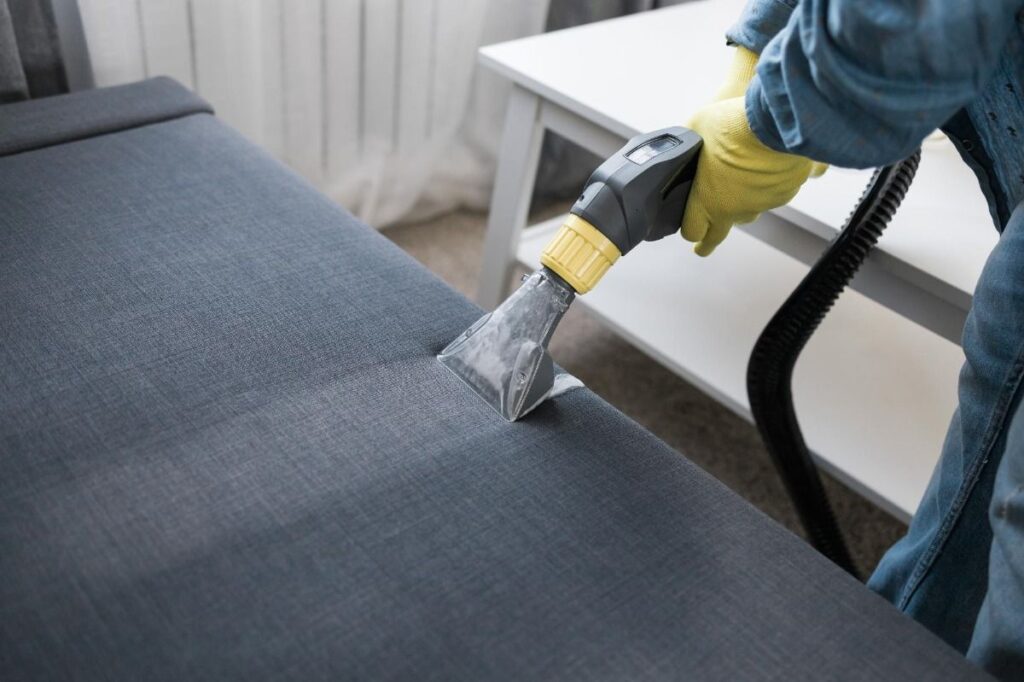
Professional upholstery cleaning focuses on removing embedded dirt, stains, and buildup while using a cleaning method suitable for the furniture material. This is especially important when upholstery contains delicate fabrics, old stains, odors, or deeply embedded debris that may not be removed through regular vacuuming or household cleaning.
At Stay Dry Go Green, we provide professional upholstery cleaning in Cupertino, CA to help homeowners improve the cleanliness and appearance of their upholstered furniture. By inspecting the material, identifying affected areas, and selecting appropriate cleaning methods, the goal is to clean the furniture carefully while helping protect its appearance and everyday comfort.
Conclusion
Upholstered furniture can collect dirt, dust, spills, pet hair, body oils, and other contaminants through everyday use. While regular vacuuming and quick spot cleaning can help with routine maintenance, deeper buildup may require professional cleaning.
Professional upholstery cleaning focuses on identifying affected areas, treating stains, removing embedded dirt, and using suitable methods based on the furniture material. With the right approach, homeowners can maintain cleaner, fresher, and more comfortable upholstered furniture.
At Stay Dry Go Green, we help homeowners address dirty and stained upholstery with cleaning solutions focused on the condition of the furniture and the specific cleaning requirements of each material.
FAQs
1. How often should upholstery be professionally cleaned?
Upholstered furniture can benefit from professional cleaning when it develops visible stains, noticeable odors, or significant dirt buildup. The appropriate frequency depends on use, pets, children, and the type of fabric.
2. Can professional upholstery cleaning remove stains?
Professional cleaning can help remove many common stains, although results depend on the stain type, age, fabric, and whether the stain has permanently affected the material.
3. Can upholstery cleaning remove pet odors?
Yes. Professional cleaning can help remove dirt and odor-causing buildup from upholstery, although deeply absorbed odors may require additional treatment.
4. Can all types of upholstery be cleaned the same way?
No. Upholstery fabrics have different cleaning requirements, so the appropriate method depends on the material and manufacturer’s care recommendations.
5. How Much Does Upholstery Cleaning Cost?
Upholstery cleaning costs vary based on the furniture type, size, fabric, and condition. In 2026, the average cost is around $184 per piece, although individual projects can cost more or less depending on the cleaning requirements.