A vehicle should have a clean and comfortable interior, but musty smells can develop when moisture becomes trapped inside carpets, upholstery, floor mats, or other hidden areas. These odors can make driving unpleasant and may continue to return if the source is not properly addressed. This is why many vehicle owners look for professional car odor removal when they notice persistent damp or stale smells. At Stay Dry Go Green, our goal is to help vehicle owners address unpleasant odors at their source and restore a cleaner, fresher-smelling interior.
Musty vehicle odors are often connected to moisture, spills, water leaks, damp upholstery, or poor ventilation. Simply using an air freshener may temporarily mask the smell without removing the underlying cause. Professional odor removal focuses on identifying affected areas and using appropriate cleaning and treatment methods to help eliminate persistent odors.
What Causes Musty Smells In A Vehicle?
Musty vehicle odors can come from several moisture-related problems, including:
- Wet Carpets: Trapped moisture can create persistent unpleasant smells.
- Damp Upholstery: Moisture absorbed into seats can contribute to musty odors.
- Water Leaks: Leaks around doors, windows, or other areas can introduce moisture.
- Wet Floor Mats: Mats can hold moisture and allow odors to develop.
- Poor Ventilation: Limited airflow can keep moisture and odors trapped inside.
How Does The Car Odor Removal Process Work?
Professional car odor removal generally begins with inspecting the vehicle to identify the source and affected areas. Depending on the condition of the interior, the process may include:
- Inspect The Interior: Check carpets, upholstery, floor mats, vents, and other areas for moisture and odor sources.
- Identify The Source: Determine whether the musty smell is related to trapped moisture, spills, leaks, or contaminated materials.
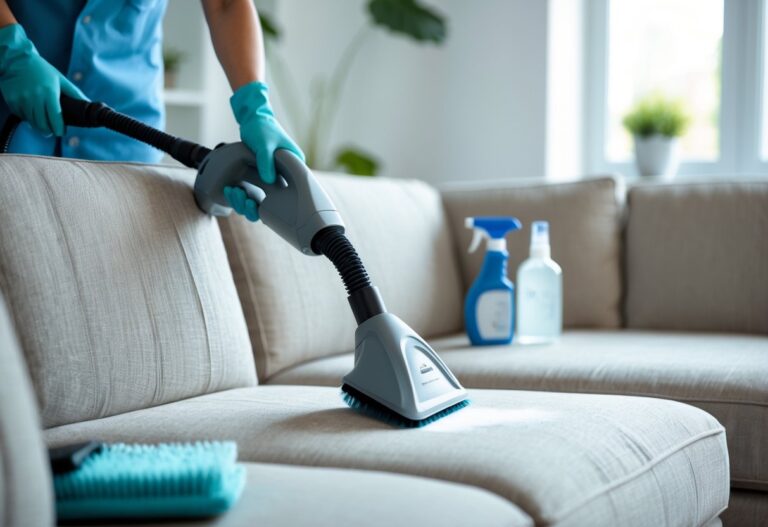
- Clean Affected Surfaces: Treat carpets, upholstery, and other suitable interior materials to remove odor-causing buildup.
- Address Hidden Odors: Odors from liquid spills can penetrate beneath fabric into foam and other materials, so deeper treatment may sometimes be necessary.
- Dry Moisture-Affected Areas: Remove remaining moisture to help reduce conditions that can contribute to recurring musty smells.
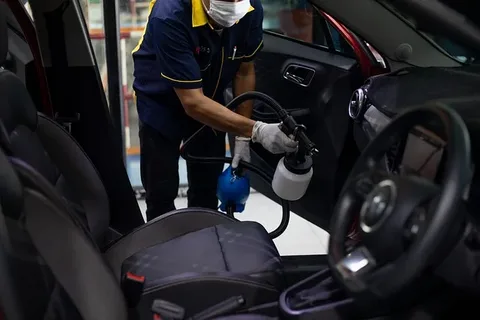
- Treat Remaining Odors: Appropriate deodorizing methods can be used after the affected areas have been cleaned.
- Check The Results: The vehicle can be reassessed to determine whether additional treatment is needed.
The exact process depends on the odor source, affected materials, and condition of the vehicle. A musty smell can also be associated with a dirty or clogged cabin air filter, so that component should not be overlooked when investigating persistent odors.
Why Do Musty Car Odors Keep Coming Back?
Musty car odors may return when the source of the smell has not been fully addressed. Hidden moisture trapped beneath carpets or upholstery can continue producing unpleasant smells, while unresolved leaks around doors or windows may introduce new moisture. Deeply absorbed odors from spills can remain in fabric, padding, and other interior materials, and incomplete drying can allow odors to persist after cleaning. Poor ventilation can also keep moisture and unpleasant smells inside the cabin. These issues are why effective car odor removal should focus on addressing the underlying cause rather than simply masking the smell.
Which Areas Can Hold Musty Vehicle Odors?
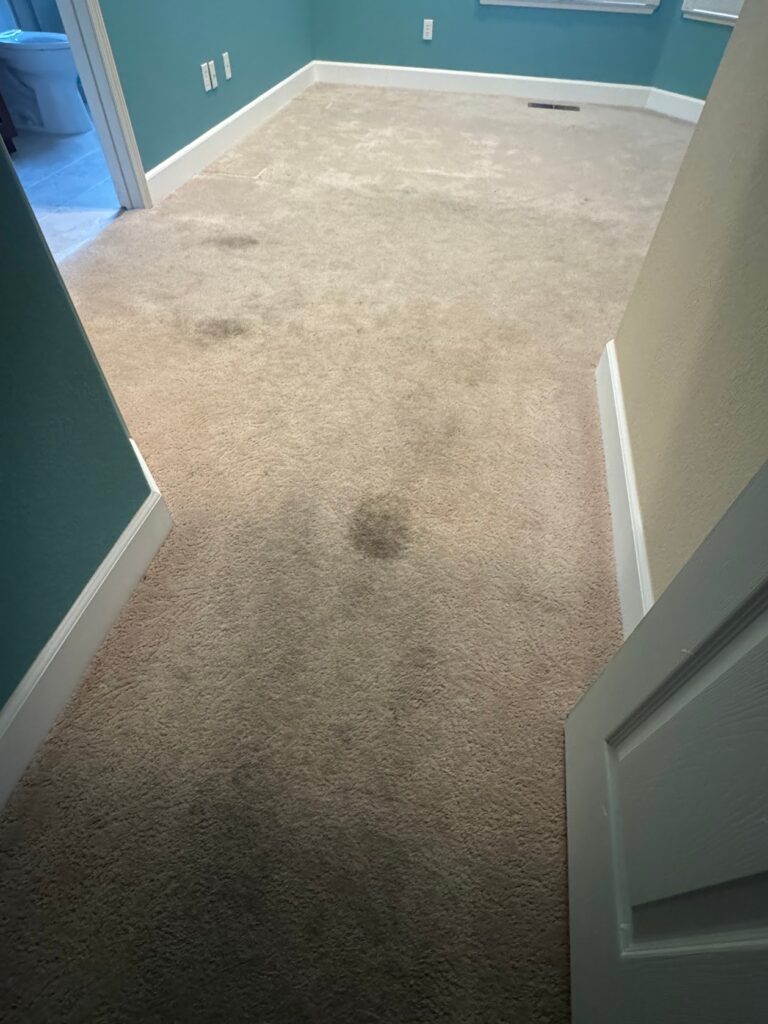
Musty smells are not always limited to visible surfaces because moisture and odor-causing contaminants can reach deeper interior materials. Common areas that may hold unpleasant odors include carpet and padding, where moisture can become trapped beneath the surface; seat upholstery, where fabric and foam can absorb liquids; floor mats, which can retain moisture; the trunk area, where spills or water intrusion may go unnoticed; and door panels, where water can enter through damaged seals. The cabin air system and cabin air filter should also be checked when investigating persistent odors because they can contribute to unpleasant smells inside the vehicle.
How Much Does Car Odor Removal Cost
The cost of professional car odor removal typically ranges from $75 to $400+, depending on the source and severity of the odor. Mild odors such as food spills or light pet smells generally cost less, while deep-seated odors caused by cigarette smoke, mildew, or mold may require more intensive treatment.
| Odor Type | Estimated Cost | Typical Treatment |
|---|---|---|
| General / Light Odors | $75–$150 | Basic enzymatic spray or surface cleaning |
| Moderate Issues | $150–$225 | Seat/carpet shampooing and extraction |
| Severe Issues | $200–$400+ | Deep interior cleaning with multi-session ozone treatment |
Note: The final car odor removal cost can vary depending on the severity of the odor, the affected areas, vehicle condition, and treatment required. Severe cigarette smoke, mildew, or mold odors may require more extensive treatment.
Factors Impacting Car Odor Removal Cost
The final cost of car odor removal can vary depending on several factors. The type of odor, how deeply it has penetrated the interior, and the treatment required can all affect the final bill. Common factors include:
- Odor Severity: Mild smells usually require less treatment, while strong or deeply embedded odors may need multiple treatments.
- Odor Source: Food, pet, smoke, mildew, and mold odors can require different cleaning and deodorizing methods.
- Affected Areas: Odors limited to carpets or seats may cost less than odors that have spread throughout the vehicle.
- Vehicle Size: Larger vehicles generally require more time and treatment materials.
- Interior Condition: Heavy staining, dirt, or contamination may require additional cleaning before odor treatment.
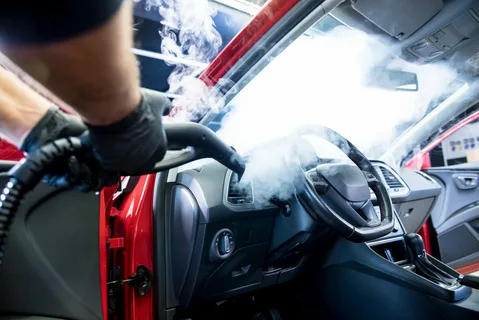
- Treatment Method: Basic cleaning may cost less, while extraction, steam cleaning, or ozone treatment can increase the overall price.
- Treatment Time: Persistent odors may require additional treatment sessions, which can increase the final cost.
Understanding these factors can help vehicle owners know why car odor removal prices vary from one vehicle to another and what may influence the final bill.
How Can You Prevent Musty Smells From Returning?
Preventing recurring odors starts with keeping the vehicle interior as dry and clean as possible. Address water leaks promptly, remove wet floor mats, dry spills quickly, and avoid leaving damp items inside the vehicle. Regularly checking the cabin air filter can also be helpful because a dirty or clogged filter can be associated with musty smells.
If moisture continues entering the vehicle, odor treatment alone may not provide lasting results. Identifying and correcting the source of moisture is therefore an important part of maintaining a fresher interior.
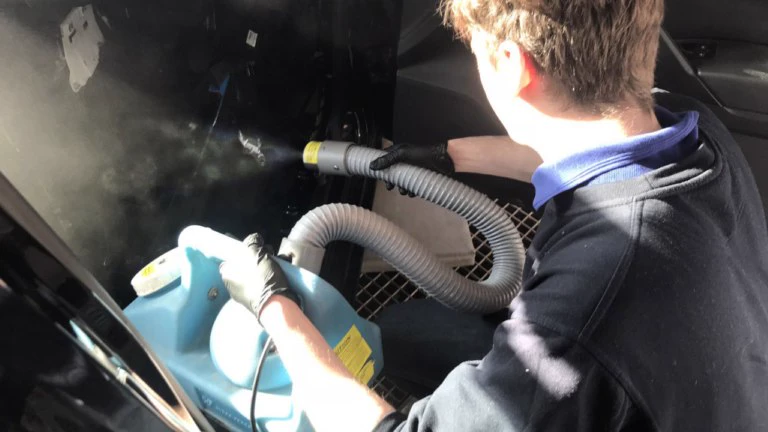
Why Professional Car Odor Removal Matters
Professional odor removal focuses on the source of the problem rather than simply covering an unpleasant smell with fragrance. This is especially important when odors have penetrated absorbent materials such as upholstery, carpet, foam, or other interior components. IICRC guidance explains that liquid-related vehicle odors can move beneath surface fabrics and may require deeper treatment or, in severe cases, replacement of heavily contaminated materials.
At Stay Dry Go Green, we provide expert car odor removal in Fremont, CA to help vehicle owners address persistent odors and improve the overall freshness of their vehicle interior. By identifying affected areas and selecting appropriate cleaning and odor-treatment methods, the goal is to address the problem at its source instead of temporarily masking it.
Conclusion
Musty vehicle odors can develop because of trapped moisture, water leaks, damp upholstery, spills, poor ventilation, or other hidden sources. While air fresheners may temporarily cover unpleasant smells, they do not necessarily remove the source of the odor.
Professional car odor removal focuses on identifying affected areas, treating odor-causing conditions, and addressing moisture where necessary. With the right approach, vehicle owners can work toward a cleaner, fresher, and more comfortable interior.
At Stay Dry Go Green, we help vehicle owners address persistent odors with solutions focused on the source of the problem and the condition of the vehicle interior.
FAQs
1. What causes a musty smell inside a vehicle?
Musty smells are commonly associated with trapped moisture, damp carpets, wet floor mats, upholstery, spills, leaks, or ventilation-related issues.
2. Can air fresheners permanently remove musty car odors?
Air fresheners may mask an odor temporarily, but they do not necessarily address the moisture or other source causing the smell.
3. Can water leaks cause musty vehicle odors?
Yes. Water entering through doors, windows, seals, or other areas can create moisture that contributes to persistent odors.
4. Can musty odors penetrate car upholstery?
Yes. Liquid-related odors can penetrate upholstery, carpet, foam, and other interior materials, making some odors more difficult to remove.
5. How Much Does Car Odor Removal Cost?
Car odor removal typically costs around $200–$250, depending on the vehicle size, odor severity, and treatment required.