Unpleasant odors can quickly make any home, office, or vehicle feel unhealthy and uncomfortable. Lingering smells are often a sign of deeper issues such as trapped moisture, bacteria growth, mold, pet contamination, food residue, or poor ventilation. Simply masking odors with air fresheners is not a permanent solution.
Effective odor removal requires a structured, step-by-step process that identifies the source, eliminates odor-causing particles, improves air circulation, and prevents recurrence. This complete guide by Stay Dry Go Green explains how to remove odors permanently, restore indoor air quality, and maintain a clean, fresh environment in every type of space.
Why Proper Odor Removal Matters
Odors are not just unpleasant; they can also indicate:
- Mold and mildew growth
- Bacterial contamination
- Pet accidents or organic waste
- Smoke residue
- Water damage and humidity problems
Ignoring persistent smells can affect indoor air quality and even trigger allergies or respiratory discomfort. Professional odor removal techniques focus on neutralizing contaminants at their source rather than temporarily covering them up.
Step-by-Step Odor Removal Process
Step 1: Identify the Source of the Odor
The first and most important step is locating the source. Odors often originate from:
- Damp carpets or padding
- Behind appliances
- Inside drains
- HVAC systems
- Upholstery and mattresses that require professional upholstery cleaning
Treating only the air without addressing the root cause will allow the smell to return quickly.
Step 2: Improve Ventilation and Air Circulation
Proper airflow reduces airborne odor particles and excess moisture. Open windows, use exhaust fans, and improve HVAC circulation to prevent bacteria growth in stagnant air. Good ventilation is essential before beginning deep cleaning.
Step 3: Deep Clean Hard Surfaces
Odor-causing residue can settle on:
- Floors
- Countertops
- Walls
- Cabinets
- Tile and grout
Thorough cleaning with appropriate disinfectants removes bacteria and buildup that contribute to persistent smells.
Step 4: Treat Fabrics and Soft Materials
Soft surfaces absorb odors more than hard surfaces. Common problem areas include:
- Carpets and rugs
- Upholstery
- Curtains
- Bedding
- Mattresses
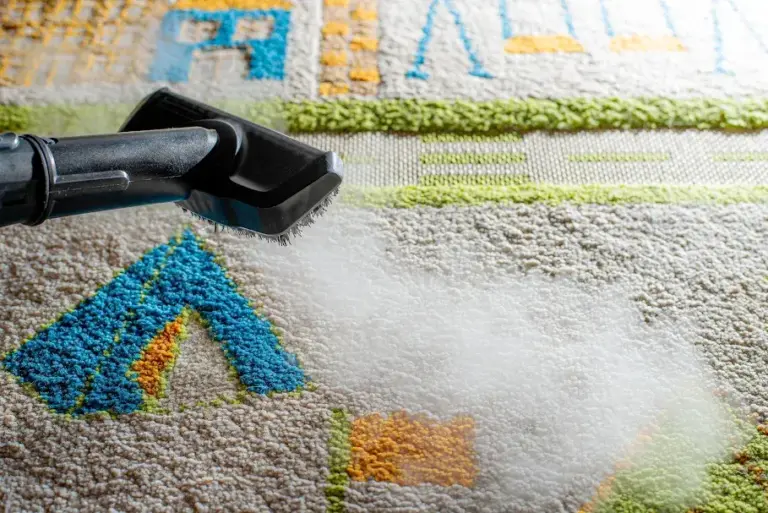
Steam cleaning, deep extraction, or specialized fabric treatments may be necessary to remove deeply embedded odor particles.
Step 5: Use Enzymatic Cleaners for Organic Odors
Organic odors from pets, food spills, sweat, or bodily fluids require enzymatic cleaners. These products break down odor-causing proteins at a molecular level rather than masking the smell.
Enzymatic treatment is especially effective for:
- Pet urine odor removal
- Food contamination
- Biological stains
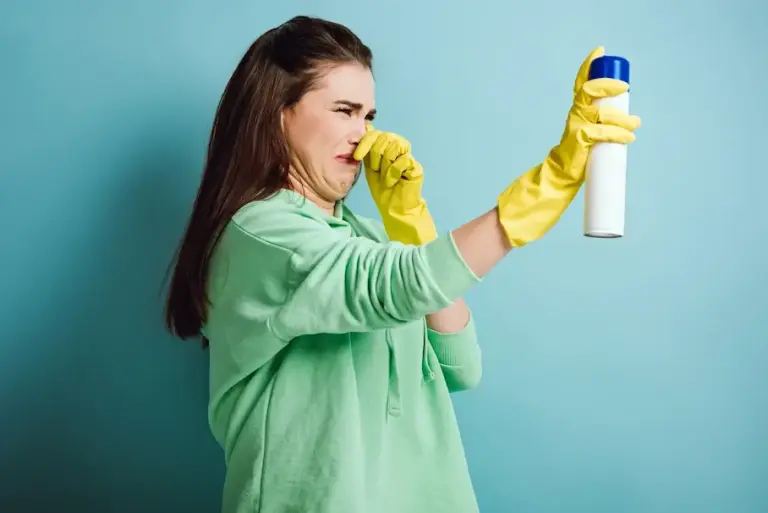
Step 6: Neutralize Airborne Odor Particles
Even after surfaces are cleaned, odors can remain suspended in the air. Advanced odor neutralization methods include:
- HEPA air filtration
- Activated carbon filters
- Ozone treatment (professional use only)
- Thermal fogging
These solutions eliminate microscopic odor particles and restore fresh indoor air quality.
Step 7: Address Space-Specific Odor Problems
Different spaces require targeted odor removal strategies:
Kitchen Odors
Caused by grease buildup, food waste, and clogs in drains. Deep degreasing and drain cleaning are essential.
Bathroom Odors
Often linked to mold, mildew, and humidity. Moisture control and grout cleaning are key.
Bedroom Odors
Mattresses, carpets, and poor airflow can trap smells. Fabric treatment and ventilation help.
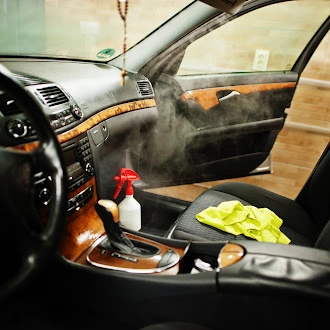
Vehicle Odors
Smoke, spills, and moisture inside cars require interior detailing and fabric extraction.
Step 8: Prevent Odors from Returning
Prevention is critical for long-term freshness. Maintain your space by:
- Cleaning spills immediately
- Controlling indoor humidity (30–50%)
- Washing fabrics regularly
- Maintaining HVAC filters
- Scheduling routine deep cleaning
Consistent maintenance reduces the need for intensive odor removal treatments.
Professional Odor Removal vs. DIY Solutions
While minor odors can sometimes be managed with home cleaning methods, persistent smells often require professional intervention. Professional odor removal services use specialized equipment and industrial-grade solutions to eliminate deeply embedded contaminants safely and effectively.
Signs you may need professional odor removal services include:
- Recurring moldy or musty smells
- Smoke odor after fire damage
- Strong pet urine odor
- Water damage issues
- Persistent odors after cleaning
Professional treatment ensures complete odor neutralization and improved indoor air quality.
Health Risks of Ignoring Odors
Persistent odors may indicate the presence of mold spores, bacteria, or airborne contaminants that can lead to:
- Headaches
- Allergies
- Sinus irritation
- Respiratory issues
- Asthma flare-ups
Addressing odors promptly supports a healthier living and working environment.
Conclusion
Effective odor removal is a systematic process that goes beyond surface cleaning. Identifying the source, deep cleaning affected areas, treating fabrics, improving ventilation, and neutralizing airborne particles are all essential steps for permanent odor elimination.
By following a structured odor removal strategy and maintaining proper cleaning routines, you can ensure fresh indoor air, improved hygiene, and long-lasting comfort in any space.
If persistent odors remain despite cleaning efforts, professional odor removal services can provide advanced solutions for complete and lasting results.
FAQs
What is the most effective way to remove odors permanently?
Permanent odor removal requires identifying the source, deep cleaning affected materials, improving ventilation, and neutralizing airborne particles.
Why do odors return after cleaning?
Odors often return when the root cause, such as moisture, bacteria, or hidden residue, has not been fully eliminated.
How long does professional odor removal take?
Depending on severity, treatment can take a few hours to a full day. Severe contamination may require multiple visits.
Are odor removal treatments safe?
When performed correctly using professional-grade products and equipment, odor removal treatments are safe and designed to improve indoor air quality.
What is the difference between deodorizing and odor removal?
Deodorizing temporarily masks unpleasant smells using fragrances, while odor removal eliminates the source of the smell by breaking down or neutralizing odor-causing particles. True odor removal provides long-lasting results instead of short-term freshness.