Whether it was an unfortunate fire or a mold problem that led to the discomfort, stubborn and unpleasant odors can impact your employees’ well-being, their motivation, as well as your brand reputation. This is why it’s important to have that nasty smell gone fast. If you’re located in sunny California State and are wondering about home odor removal or commercial odor removal services, the following blog by Stay Dry Go Green goes over the steps you can take and the regulatory bodies like CARB that professionals follow to ensure that the indoor air at your facility is always fresh, healthy, and comfortable.
Commercial Odor Removal in California: Step-by-Step Process
Public restrooms can be nasty, often being quite unpleasant. And those office break rooms? All that smoking is going to permeate the entire area. So, what should you do? Here is a look at how expert odor removal contractors eliminate stubborn smells from commercial properties.
Read along to learn how your business facility can regain its freshness and comfort.
- Step 1: Find the Source
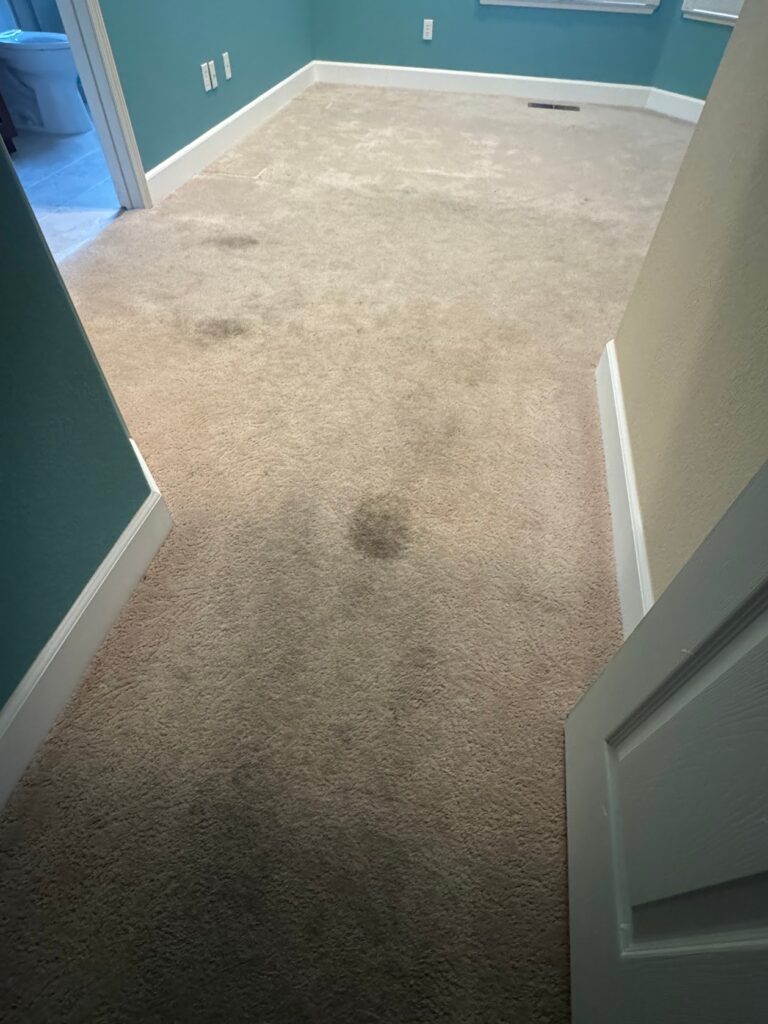
Start by trying to identify where exactly the smell is coming from. Is it the restaurant kitchens that always smell like spicy food? Are the bathrooms experiencing sewage back-up? Or maybe it’s a pet store that has a lot of animals causing the odor.
- Step 2: Professional Inspection
Even if you can’t isolate the problem, the experts can. Using specialized equipment, the technicians will pinpoint the source of the smell. Whether it’s a leaky pipe in the basement or a mold problem in your storage room, trust that they can find it.
- Step 3: Remove the Source
Start by eliminating the source of the smell. It could be done by taking out the trash, cleaning off the mold, or throwing out expired cooking ingredients. Once that’s done, the odor removal process can begin.
- Step 4: Contain the Smell
Next, it’s a good idea to close off the area as the odor is removed so that it doesn’t spread to other parts of the building. If it’s the entire property that’s being treated, your odor removal squad will request that it be vacated during the treatment.
- Step5: Air Scrubbing & Purifying
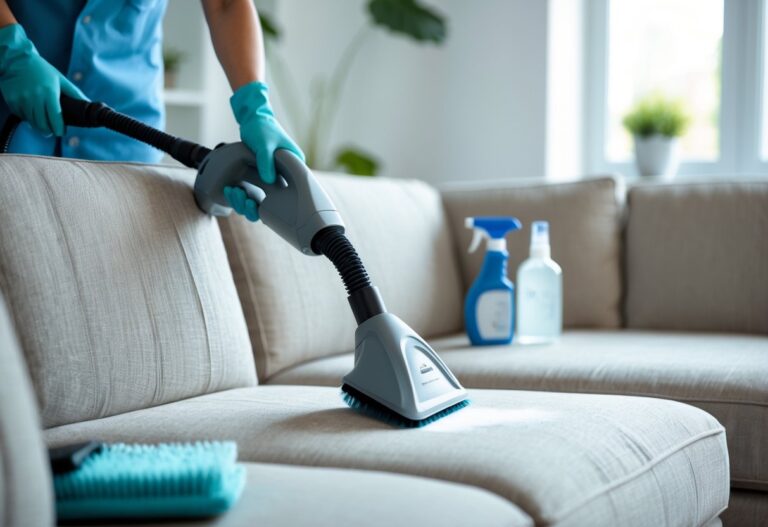
Once the area is secure, the team will use professional-grade equipment like air scrubbers and filters to eliminate the smell at a molecular level, thus purifying the air. They may also perform upholstery cleaning on furniture and fabric surfaces to remove trapped odors and allergens. It’s important to ensure that the devices the team uses are CARB-approved.
- Step 6: Extreme Measures
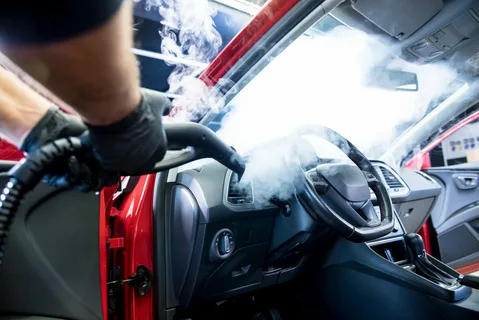
For odors that seem to cling no matter what, technicians may need to switch to heavy-duty equipment. This will include things like hydroxyl generators and targeted ozone treatments so that even the toughest smell disappears.
- Step 7: Ventilation & Inspection
Once everything is said and done, proper ventilation is ensured, and a final inspection is conducted before entrepreneurs receive the green signal.
Adhering to Californian Odor Regulations: The Rules You Need To Follow
. Commercial properties like office buildings and hotels can be a bit tricky to keep odor-free with so many people coming in and out. This is why there are a few regularity authorities that govern the odor levels, ensuring that the air remains clean and safe no matter what.
Here are the authorities that local businesses need to follow.
- California Health & Safety Code
According to Section 41700, or The Nuisance Law, it is clearly stated that no commercial property should emit off-site odors that bother, injure, or become a nuisance to other people. Violations can lead to fines, criminal charges, and abatement notices.
- California Air Resources Board (CARB)
The CARB regulates the amount of VOC in cleaning products and equipment in California. Meaning, those ozone treatments cannot exceed a 0.050 ppm for safety purposes.
- Local Air Quality Districts
Separate for each district, these authorities handle complaints against violators. They also demand an odor best management practice feasibility if the odor is chronic.
- OSHA and Indoor Air Quality
IAQ, combined with the California government, OSHA, indicates that indoor air must meet certain standards to protect employee well-being. Violations can trigger inspections and citations.
Conclusion
To conclude, California State has quite a strict odor management policy, overseen by a few different legislative bodies. Local entrepreneurs are answerable to CARB and IAQ when conducting their business and when looking for experts to deal with stubborn smoke, mold, and food odors. This blog gave you a brief insight into California’s odor removal methods for commercial properties. For more questions, please drop us a line!
FAQs
- What happens if my business receives an odor complaint?
The district demands the use of odor control technology to control the emissions, along with issuing a citation. - Are industrial air cleaners regulated by CARB?
Except for some, most industrial air cleaners need to be CARB-approved. - Where can I find my local air district’s specific rules?
Use their district’s rule-specific tools to find the rules or visit the CARB website. - How long does commercial odor removal take?
It depends on the source and severity of the odor. Most professional treatments can take anywhere from a few hours to 2 days for full deodorization. - Are odor removal treatments safe for employees and customers?
Yes, professional odor removal services in California follow CARB and OSHA standards to ensure treatments are safe, non-toxic, and eco-friendly.